The United States has trimmed tariffs on Swiss imports to 15% from 39%, retroactive to November – and the industry has responded on cue. December Swiss watch exports rose 3.3% to 2.1 billion francs, with shipments to the U.S. up 19.1%. It is a welcome loosening of the vise, though still tighter than the roughly 2% duty that prevailed before the Trump-era trade measures.
Context matters. The 39% rate was the steepest leveled on a developed nation and it bit hard, particularly for makers of watches, machines, and precision instruments. For 2025 as a whole, exports reached 25.6 billion francs, down 1.7% from 2024 after a difficult run of four monthly declines heading into the November policy turn. December shows the elasticity of demand when price friction eases: gold and steel watches led by material despite stubborn input costs, and the 200 to 500 franc segment found fresh momentum.
Geographically, the picture is uneven. The U.S. remains the engine of recovery, while France posted a striking surge of more than 50% in December. China and Hong Kong, by contrast, stayed weak – a reminder that a global industry can rally in one time zone and stall in another.
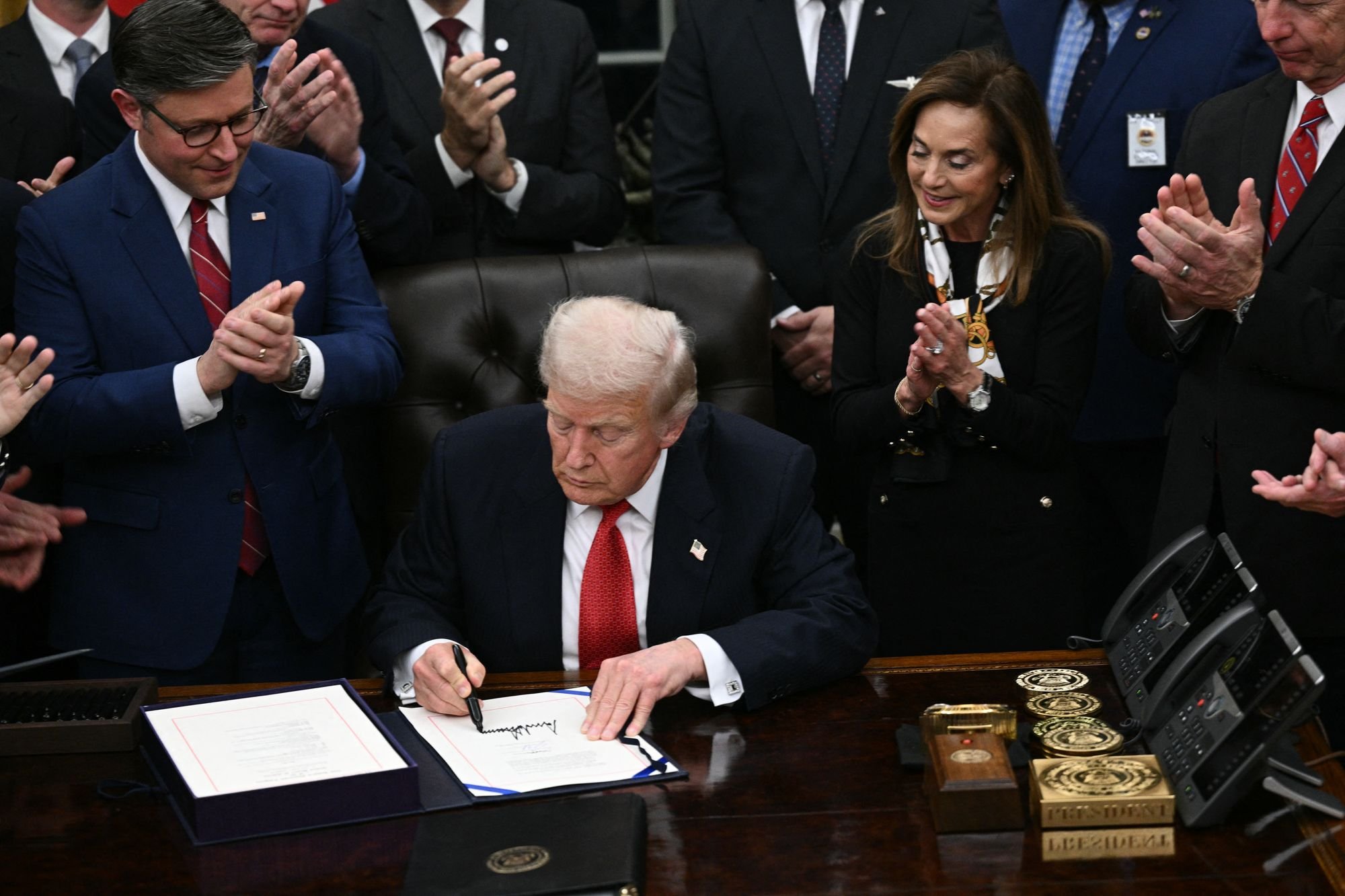
The policy shift carries a political echo. Senator Ron Wyden has sought details on reported gifts accepted by President Trump from Swiss businessmen – a Rolex desk clock and a custom gold bar – shortly before the November announcement, citing concerns that accepting valuable items near a trade decision “creates a blatant conflict of interest” and may raise emoluments questions. He also asked whether the U.S. Trade Representative was informed about any gifts and who recommended the new rate.
The White House rejected any suggestion of impropriety, saying Switzerland secured the lower tariff by pledging to reduce barriers and invest billions in the U.S., and that the president acted solely in the national interest. The backdrop is hardly serene: the surprise 39% tariff imposed in August had rattled Bern, and in Davos the president suggested he set the initial rate higher after being “rubbed the wrong way” by former Swiss President Karin Keller-Sutter.
For watchmakers, the near-term arithmetic is simple. A drop from 39% to 15% improves price realization and clears inventory faster – particularly in core steel and gold references and mid-tier price bands. The longer view is less tidy. The 15% rate remains far above pre-2018 norms, China and Hong Kong are soft, and Washington’s politics are now part of the forecast. Hope for further relief persists, but prudence – not exuberance – is the order of the day.
Leave a Reply