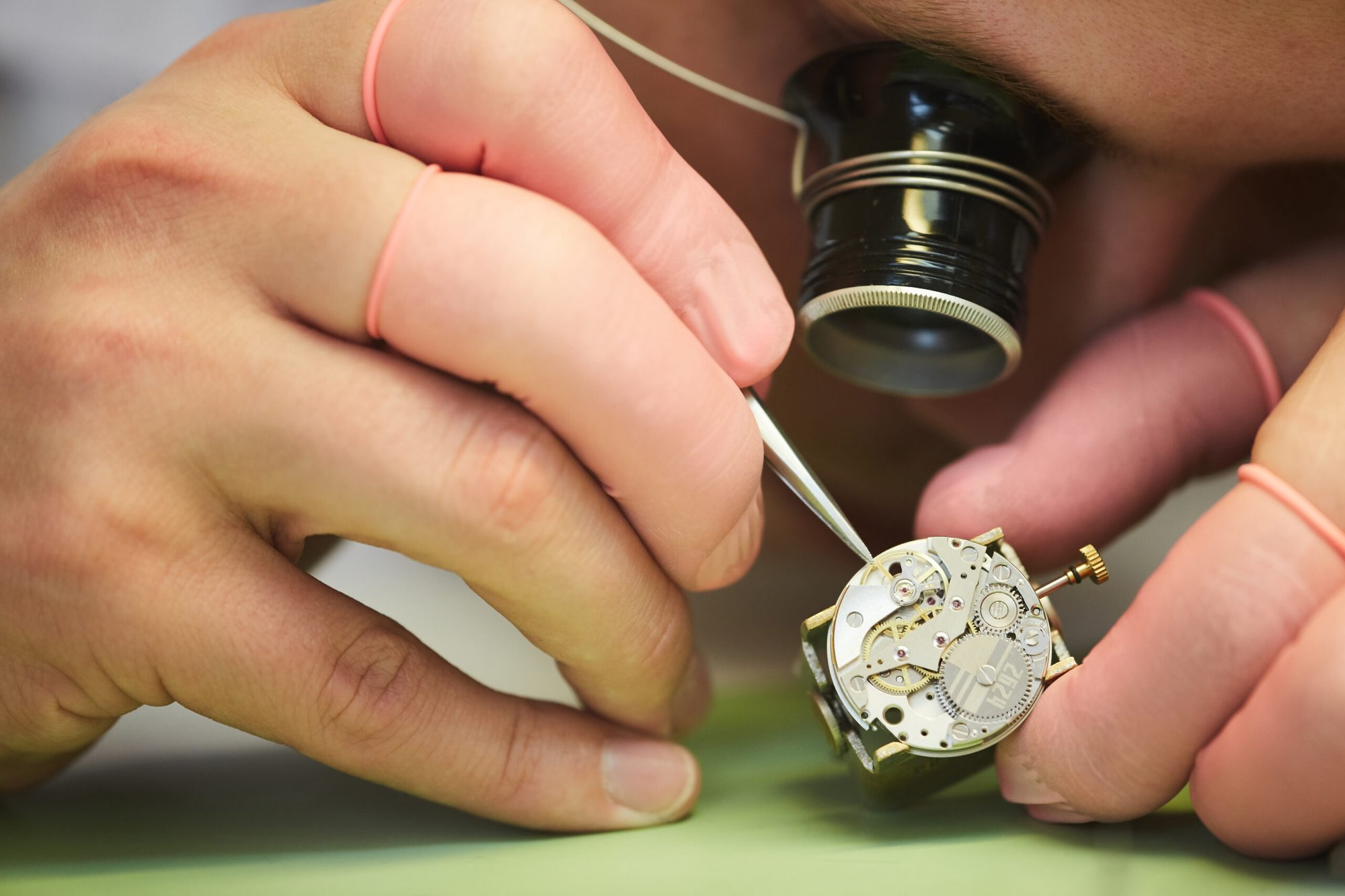
Swiss watchmaking enters 2026 with the quiet focus of a workshop before opening hours: lights on, voices lowered, tools precisely arranged. The backdrop is unsettled — a strong franc, persistent inflation, and geopolitics that refuse to keep time — and the emphasis is on discipline rather than bravado.
Companies are prioritizing what they can control: deepening vertical integration where it creates resilience, tightening costs, and avoiding overexposure to any single market. If demand softens, those choices can cushion the impact; if it steadies, they protect margins without overextending.
Hiring is selective, not silent. Brands with durable equity and pricing power are filling critical roles, while others digest capacity. The most stable needs remain in service and quality — after‑sales, refurbishment, and boutique support — alongside core production capabilities. Roles often in demand include watchmakers across specializations, quality controllers, polishers, jewellers, micromechanics, methods agents, and CNC operators.
Training remains the long game. Swatch Group continues to train apprentices across more than 50 professions. Patek Philippe’s training institutes maintain a measured progression before entrusting high complications. Wempe’s apprenticeship track, NAIOSW programs, and investment by Watches of Switzerland all point to the same conclusion: accredited skills first. Employers ask for precision, relevant certifications, and bench‑tested competence, plus adaptability as inventories are managed tightly and proprietary methods are taught.
Two currents could shape staffing in 2026. Certified pre‑owned continues to expand, requiring authenticators, repair artisans, and intake specialists; several brands, including Rolex and Audemars Piguet, are building capabilities in this area. At retail, strategies emphasize cost control and a focus on mono‑brand concepts. In the United States, demand has at times proved comparatively resilient, and parts of the secondary market have shown signs of stabilization, but visibility remains limited. The outlook is orderly rather than exuberant. For those entering the trade, apprenticeships remain one of the most reliable doors. For workshops, quality and patience remain the best tools on the bench.
Leave a Reply