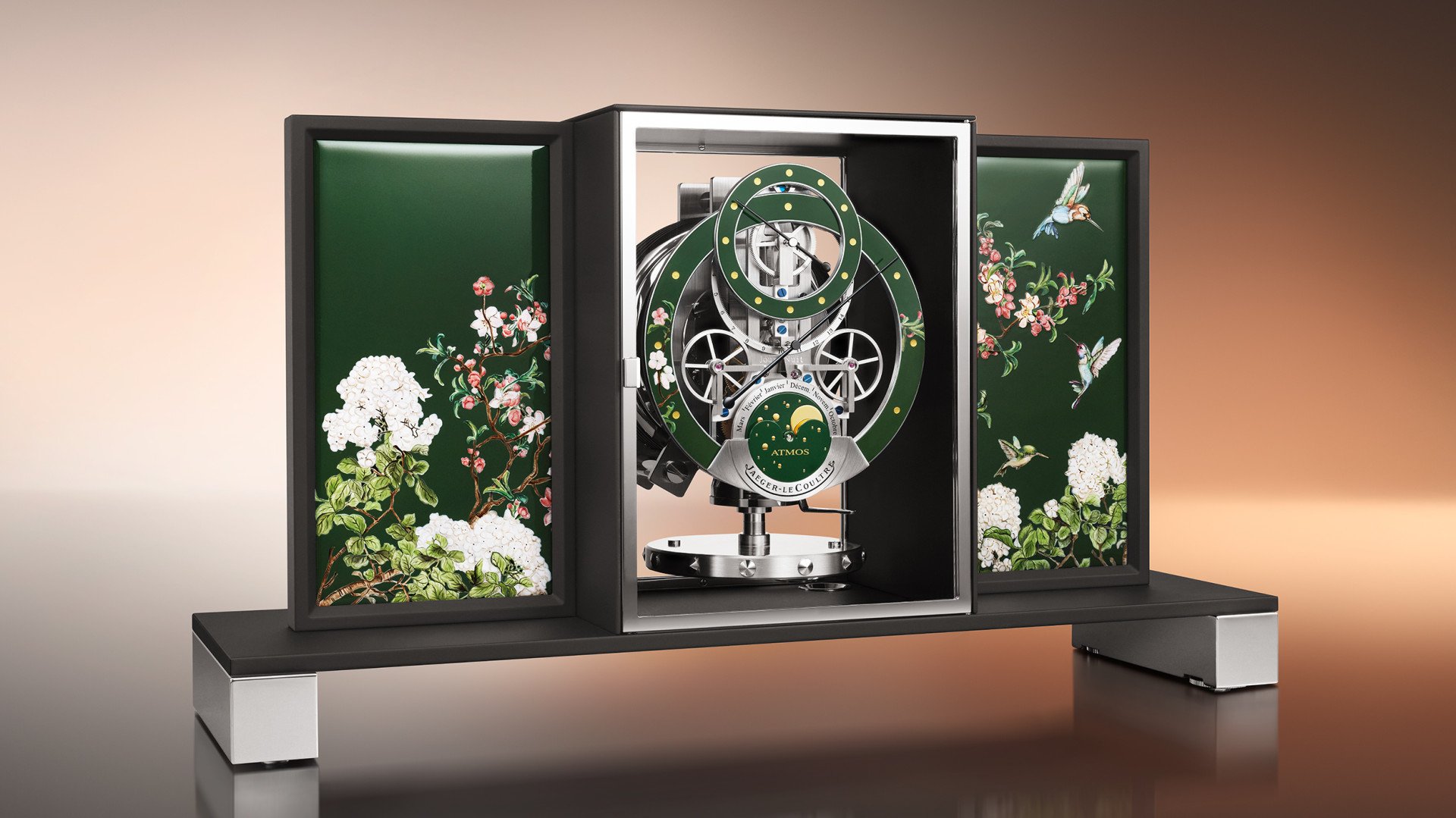
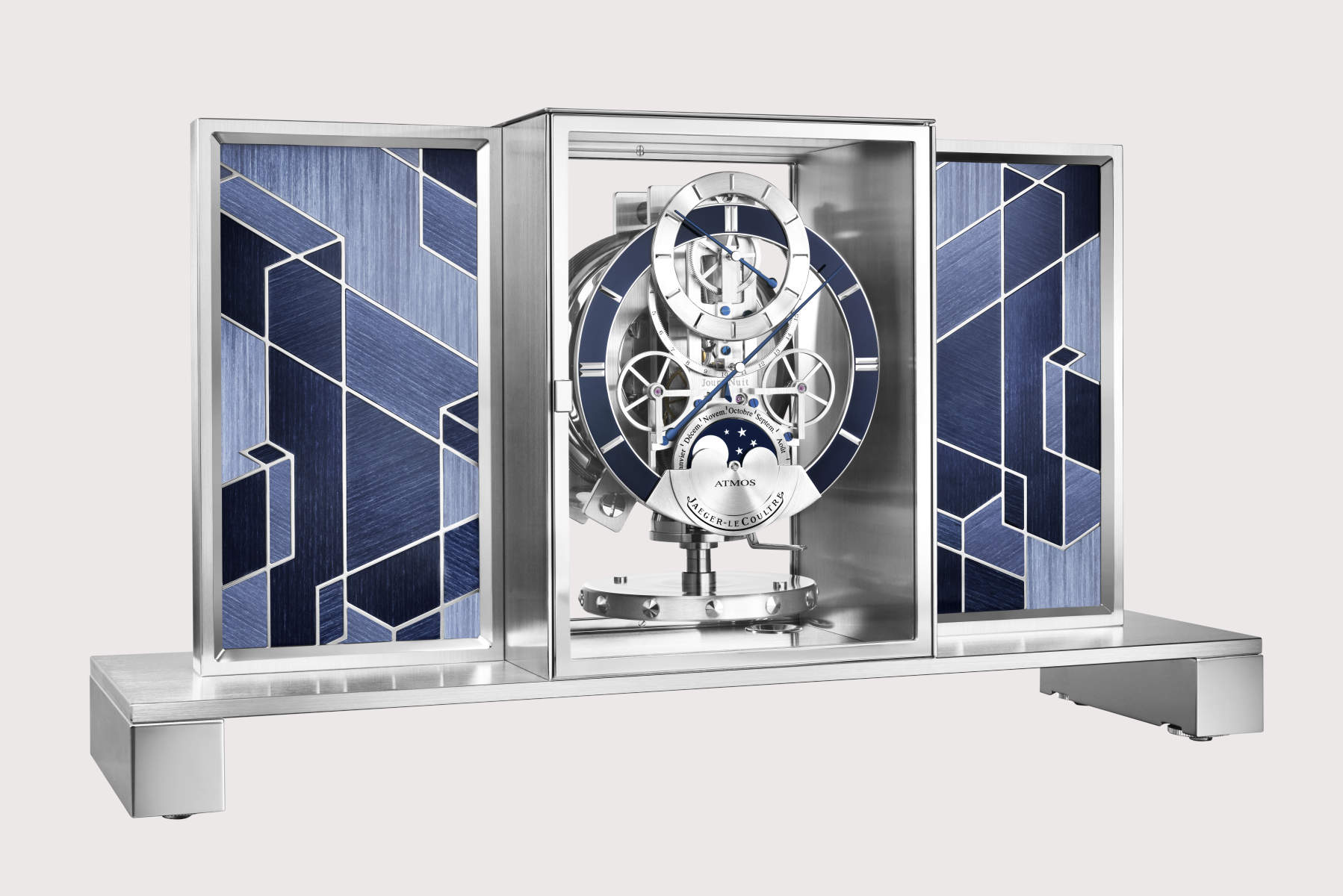
Jaeger-LeCoultre presents two limited interpretations of the Atmos Régulateur Calibre 582, unveiled during Milan Design Week 21-26 April 2026. One celebrates Grand Feu enamel and miniature painting. The other explores wood marqueterie with a crisp Art Deco geometry. Different crafts, same mechanical quietude.
The Atmos runs on tiny shifts of ambient temperature. A sealed gas capsule breathes through a membrane to wind the spring, driving a balance that oscillates once per minute. A change of 1°C feeds about two days of autonomy. Efficiency is the point, not the party trick.
Calibre 582 is a regulator: minutes command the dial, with separate hours and a 24-hour ring. A calendar and a moon phase complete the display. The lunar indication is calculated to deviate by one day in 3,821 years. Circles within circles keep the information legible and the structure serene.
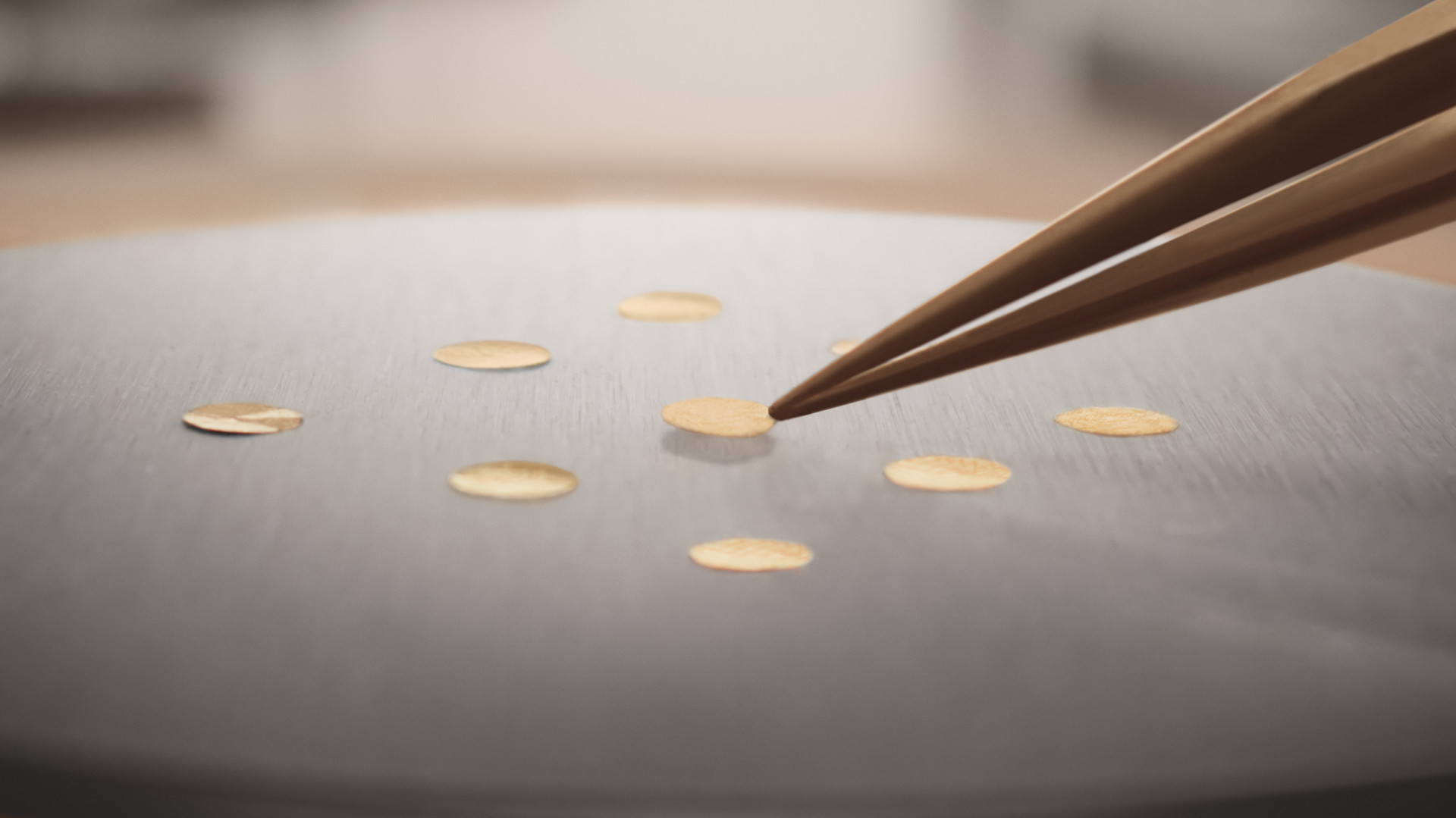
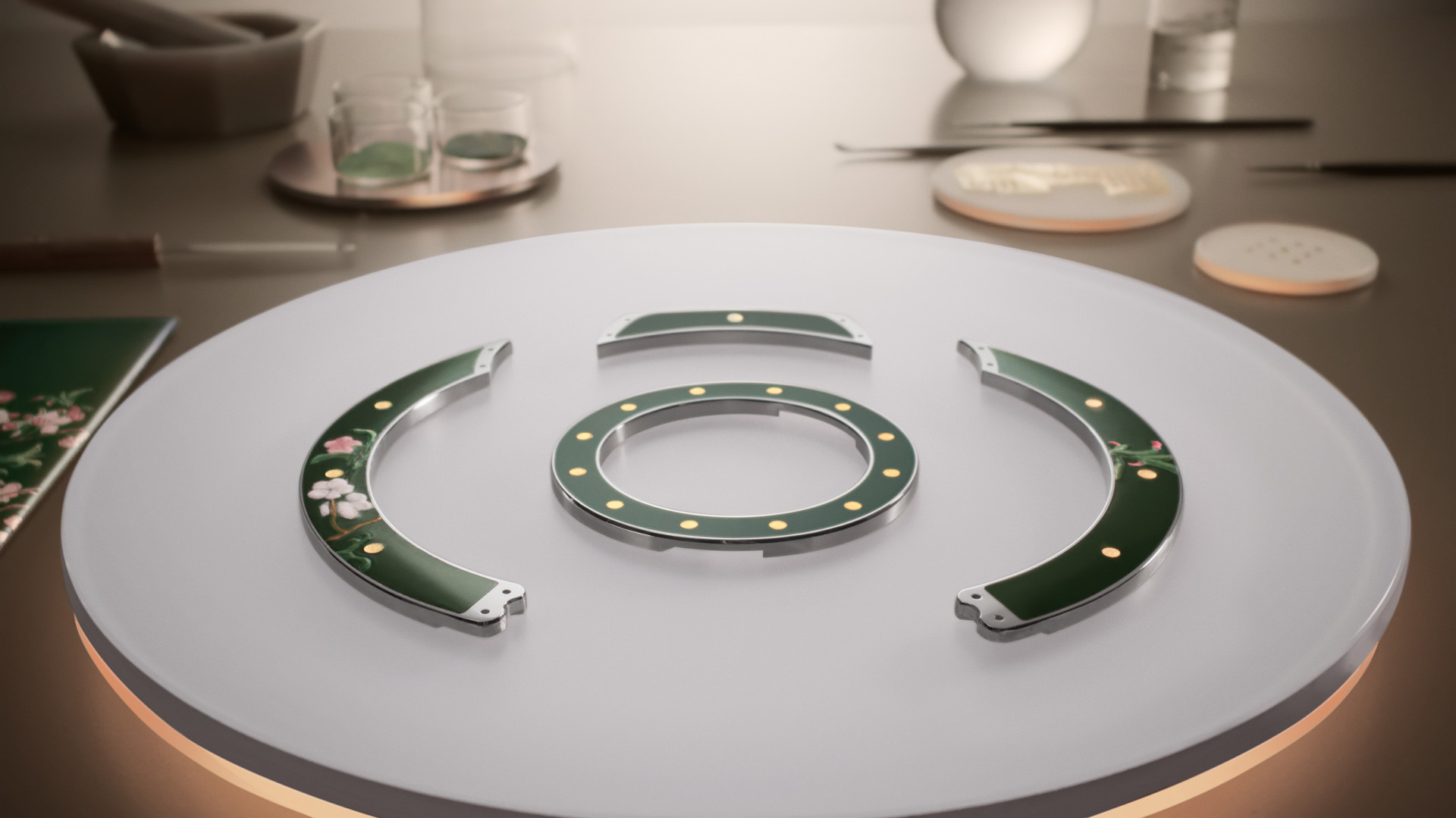
Atmos Régulateur Enamel Colibris is limited to 3 pieces. Hummingbirds and blossoms flow across two enamel panels and the minutes ring. The work required 230 hours and 45 firings. Large steel plates were enamelled front and back, layer by layer, then miniature-painted in stages, each firing a gamble. Hour and minute rings were hollowed and filled with enamel before receiving gold leaf paillonné markers. Germany: 328,000 EUR. Austria: 333,000 EUR.
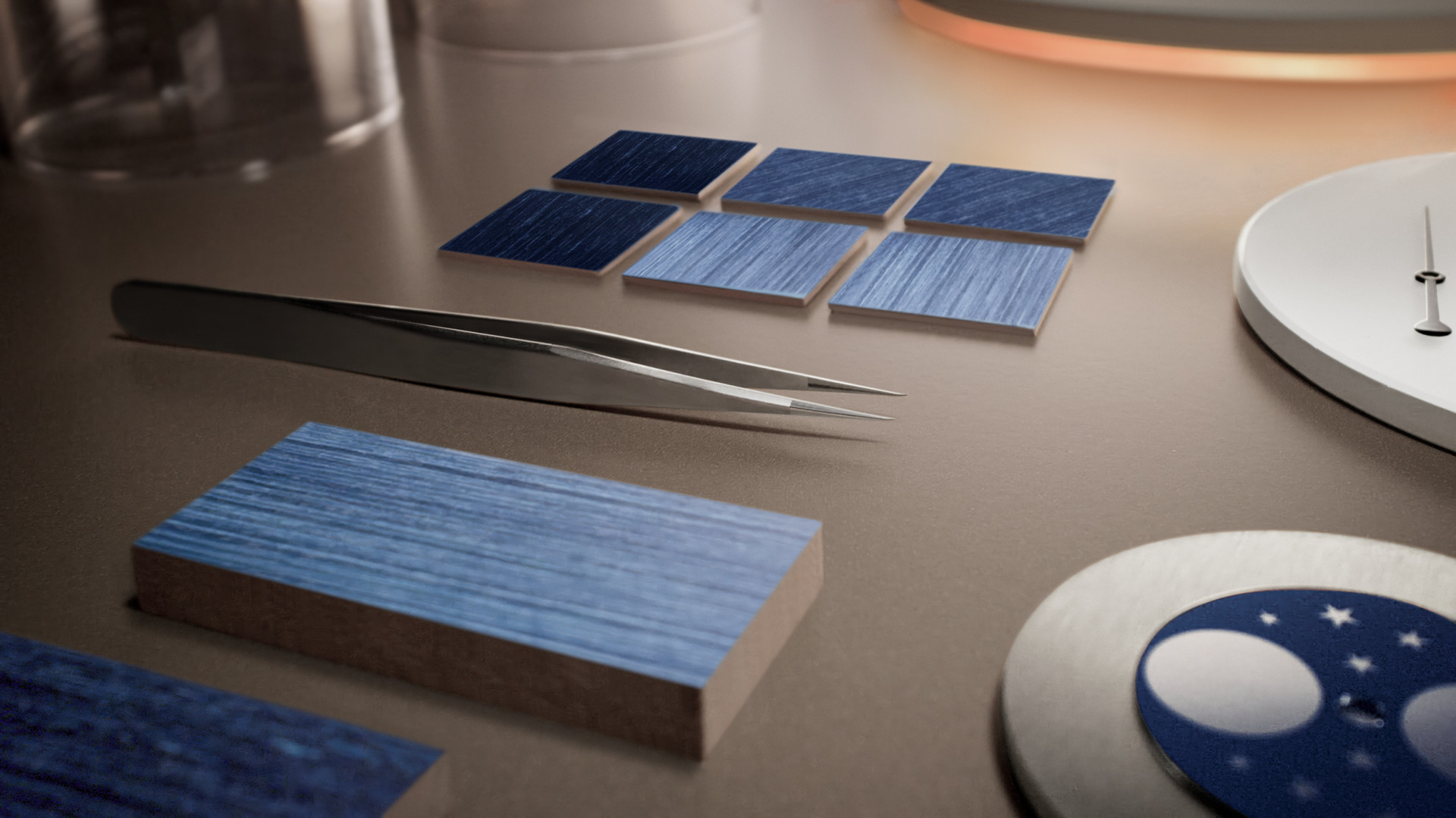
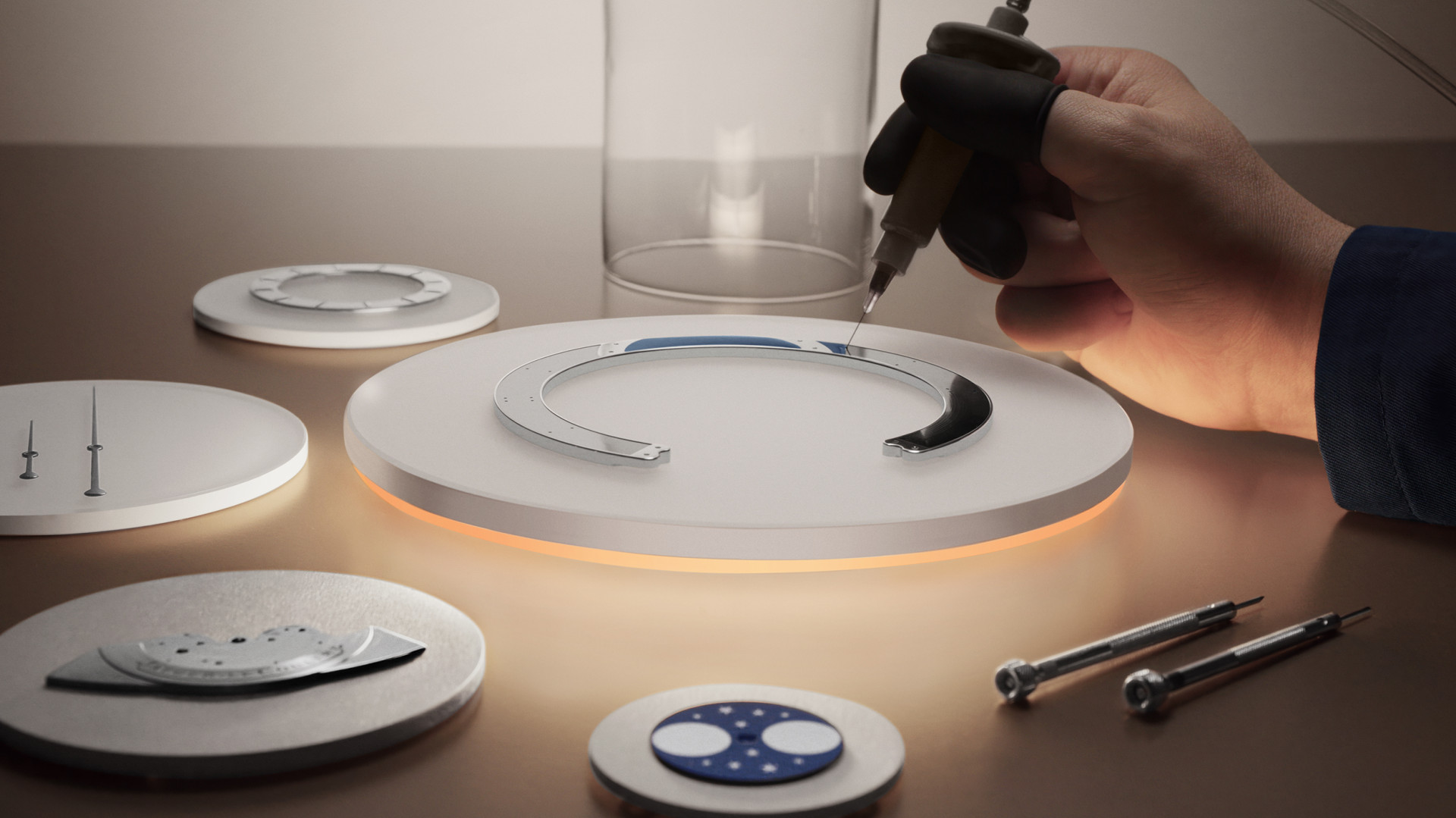
Atmos Régulateur Wood Marqueterie is limited to 5 pieces. Fifty-two veneer slivers, each 0.6 mm thin, are hand-cut, tinted and set into a hollowed metal base that leaves rhodium-plated ribs to frame a trompe l’oeil depth. Blues range from mist to ocean; the dial reverses tones between minutes and hours, with an opaline ground and a moon against blue lacquer and azurage clouds. Germany: 179,000 EUR. Austria: 180,000 EUR.
Both clocks house the mechanism in a transparent cabinet, leaving the architecture honest and the energy budget frugal. Guide rollers support the suspended displays with satisfying symmetry. It is functional theatre, not decoration for its own sake.
Atmos began as Jean-Léon Reutter’s 1928 vision and has long welcomed craft collaborations. Enamel first, marqueterie since 1934, later glass, lacquer and gem-setting. These two pieces continue that lineage with restraint. Time, here, is measured softly and finished hard.
Leave a Reply