If you’ve ever wondered why your mechanical watch loses a few seconds here and there, you’re not alone. The folks at De Bethune have been obsessing over this question for two decades, and they’ve come up with some pretty clever solutions.
Since 2002, master watchmaker Denis Flageollet has been on a mission: make watches that keep better time in the real world, not just when they’re sitting still on a test bench. Because let’s face it, your watch spends most of its life on your wrist while you’re gesturing during conversations, typing furiously at your keyboard, or accidentally bumping into door frames.
Starting with the Heart
De Bethune began where it matters most – the balance wheel and hairspring. Think of these as the watch’s heartbeat. If the heart isn’t healthy, nothing else matters.
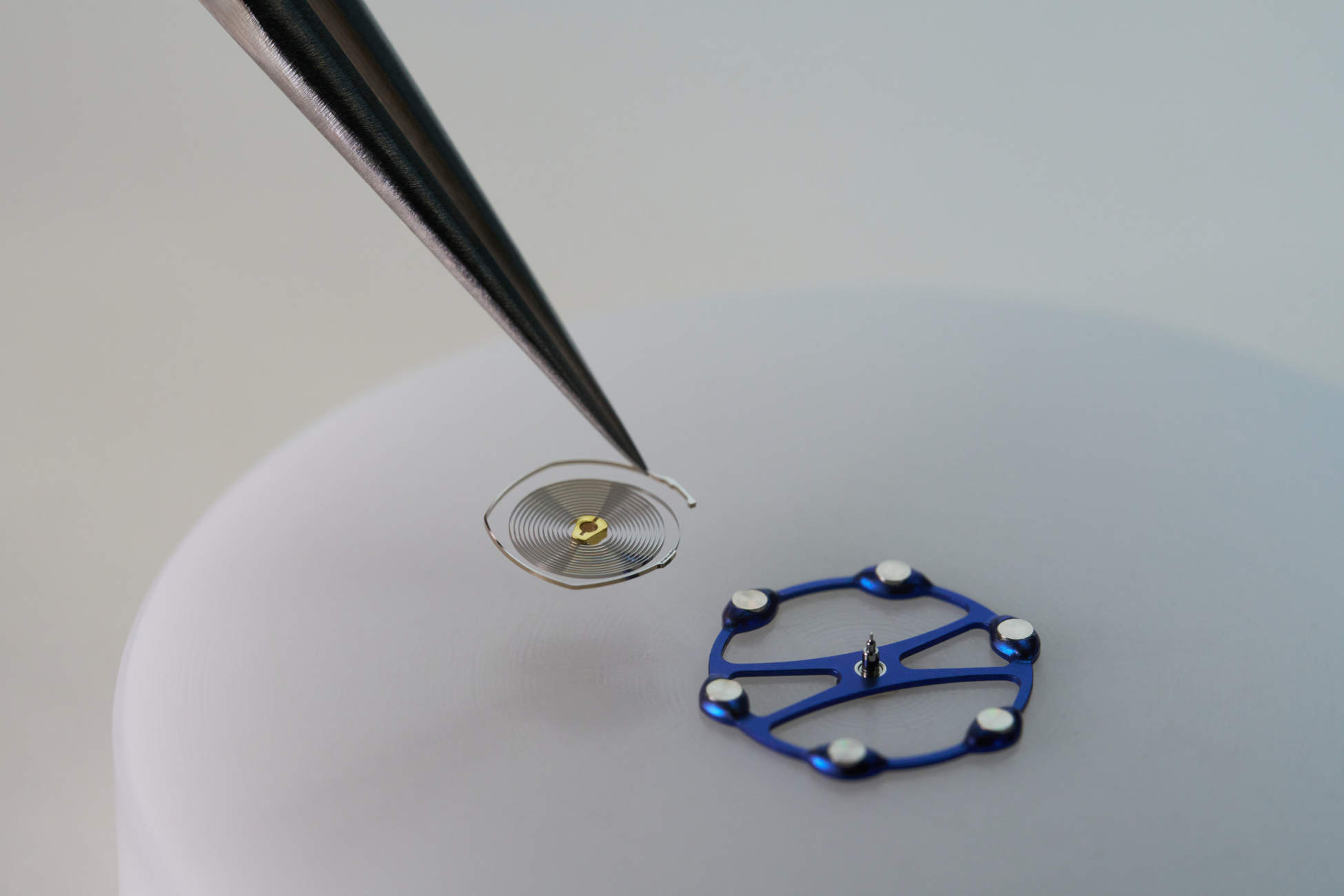
Their first innovation was a hairspring with a flat outer curve. Regular hairsprings can get wonky when you move your wrist around or when the watch takes a knock. De Bethune’s design keeps things more centered and stable, like a gymnast with better balance. The result? The watch stays more accurate even when life gets bumpy.
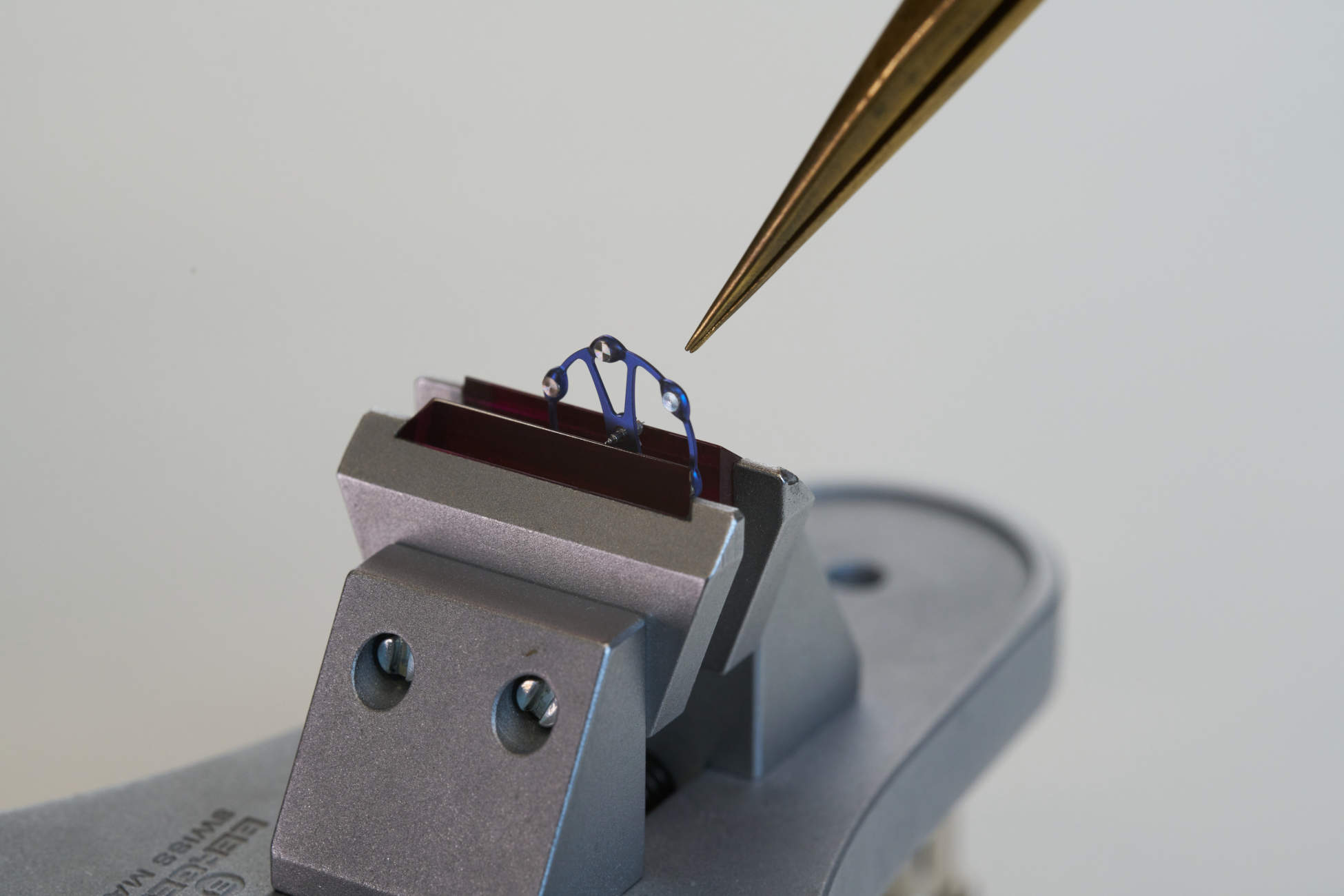
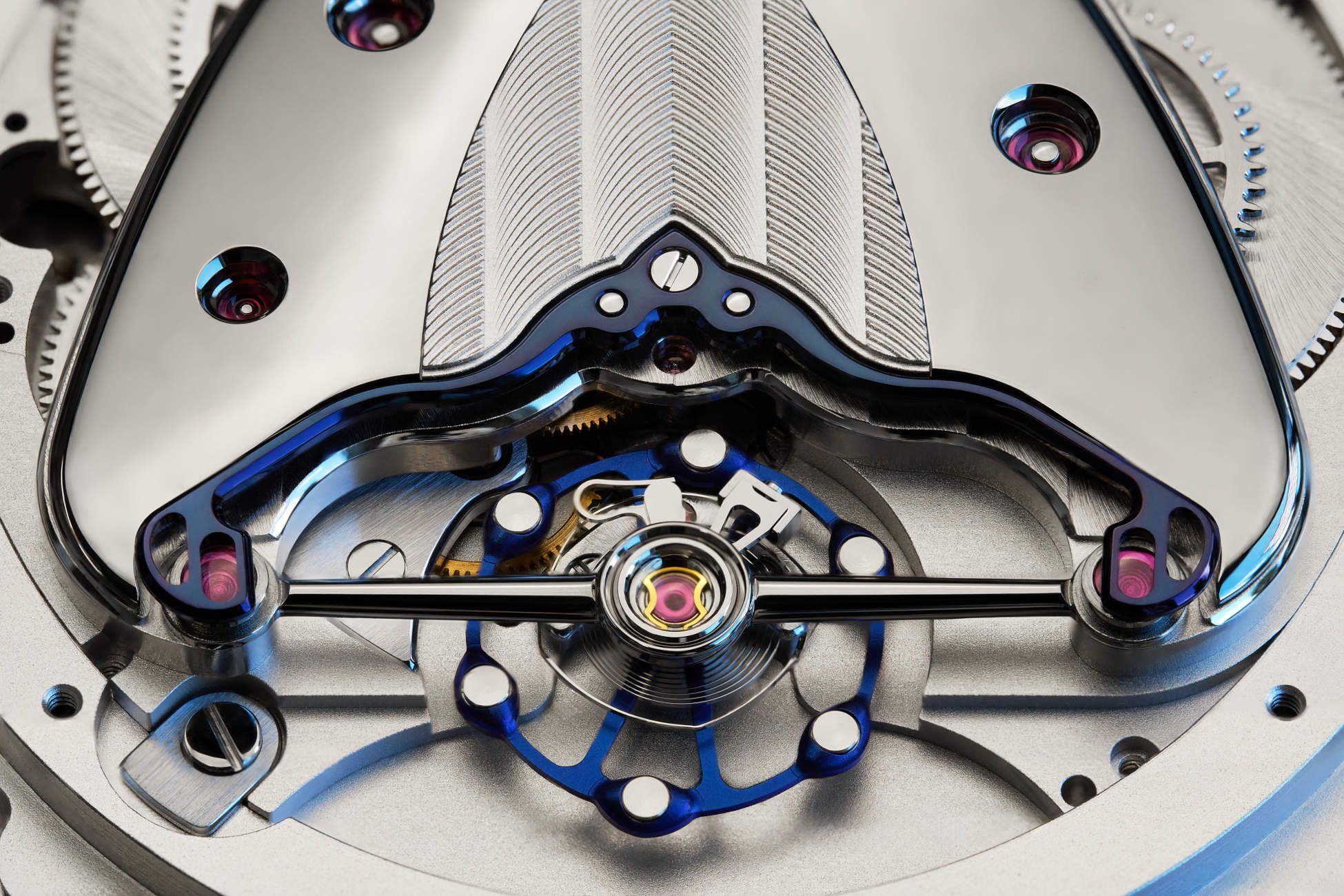
Then they tackled the balance wheel itself. They built it with a titanium core and white gold weights around the edge – like putting all the heavy stuff at the rim of a bicycle wheel. This design increases what engineers call “moment of inertia” while keeping the whole thing light. Translation: it’s harder to disturb, so it keeps ticking steadily even when you’re waving your hands around.
Triple Protection
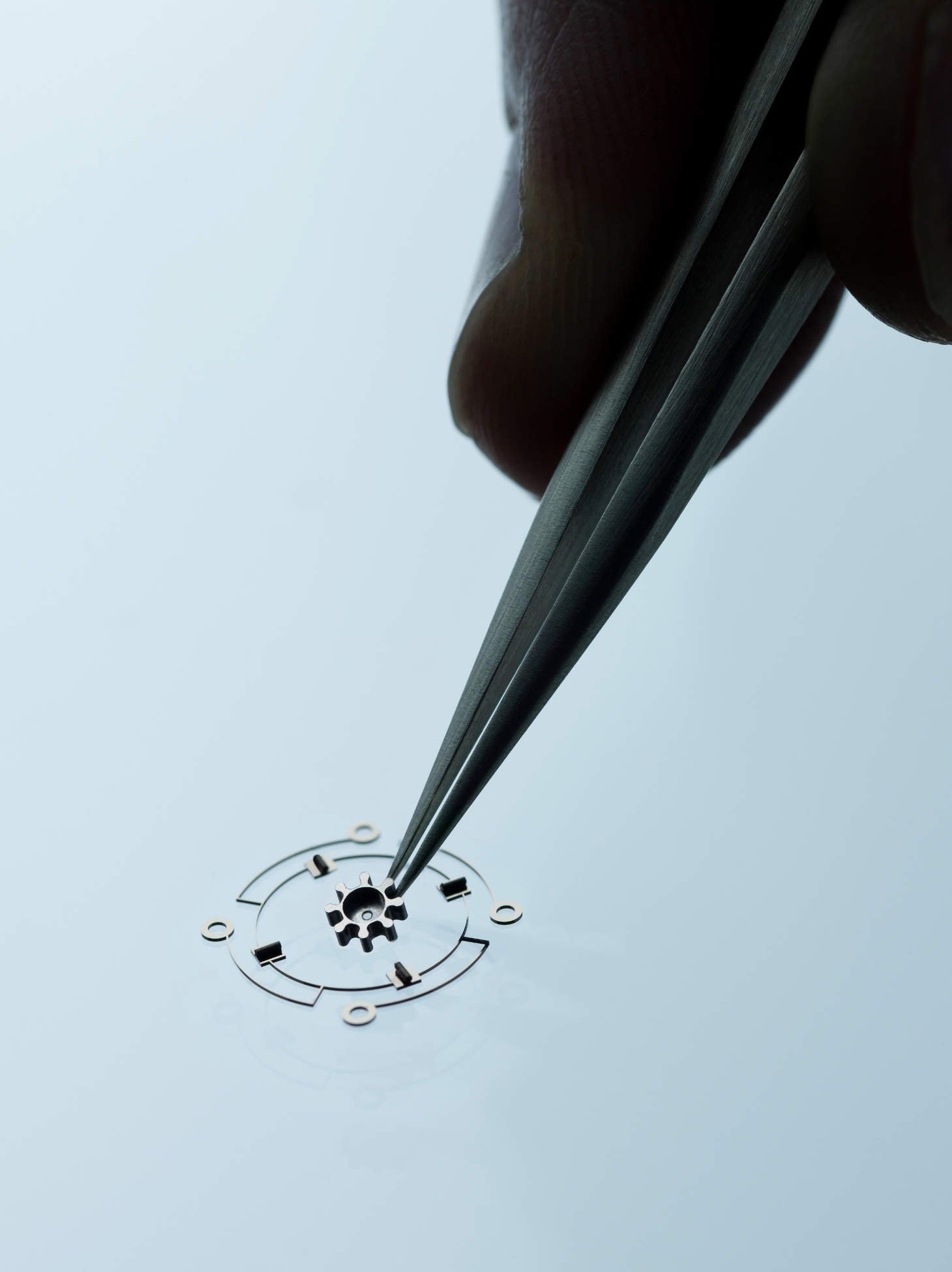
Next up was shock protection. De Bethune created what they call the “triple pare-chute system” – a three-point shock absorber that cradles the balance wheel. It’s like giving your watch’s most delicate part its own suspension system. The balance wheel stays put where it should, maintaining accuracy even after impacts.
Silicon Makes Everything Better
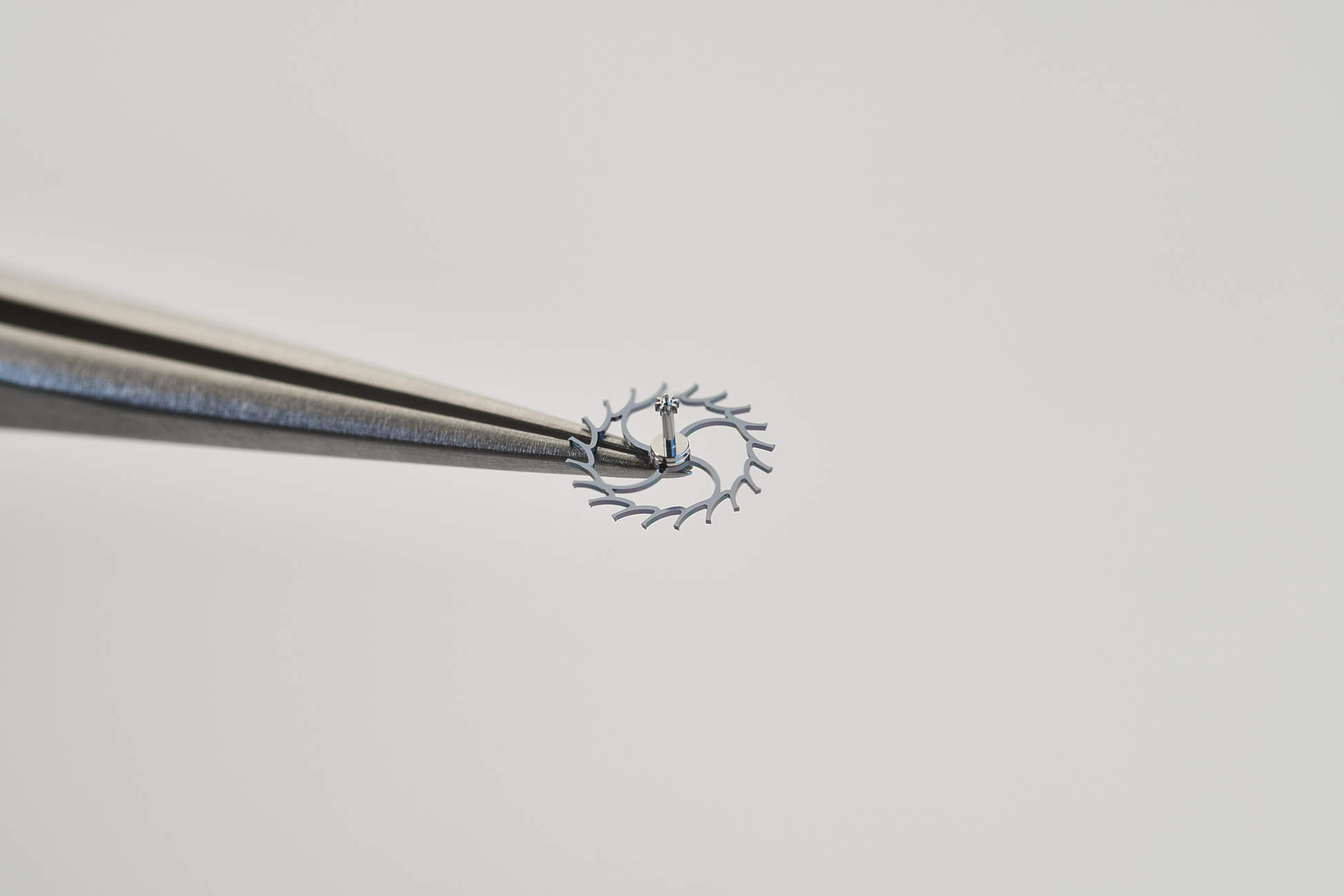
In 2009, De Bethune redesigned the escapement (the part that makes that lovely tick-tock sound) using silicon for the escape wheel. Silicon is both lightweight and springy, which means less friction and better efficiency. They also optimized the tooth shape so everything slides smoothly instead of banging together. More energy saved, less wear and tear.
Getting Personal
Here’s where things get really interesting. In 2022, De Bethune launched the “Sensorial Chronometry Project.” If you buy their DB28GS Grand Bleu, you can wear a special test watch packed with sensors for two weeks. This watch records everything – your movements, positions, shocks, even temperature and humidity.
Back at the workshop, a robotic arm recreates your exact lifestyle conditions to adjust your actual watch. It’s like having a suit tailored, but for timekeeping. Your watch gets a personalized report and performs optimally for how you actually use it, not for some imaginary average person.
Making Their Own Springs
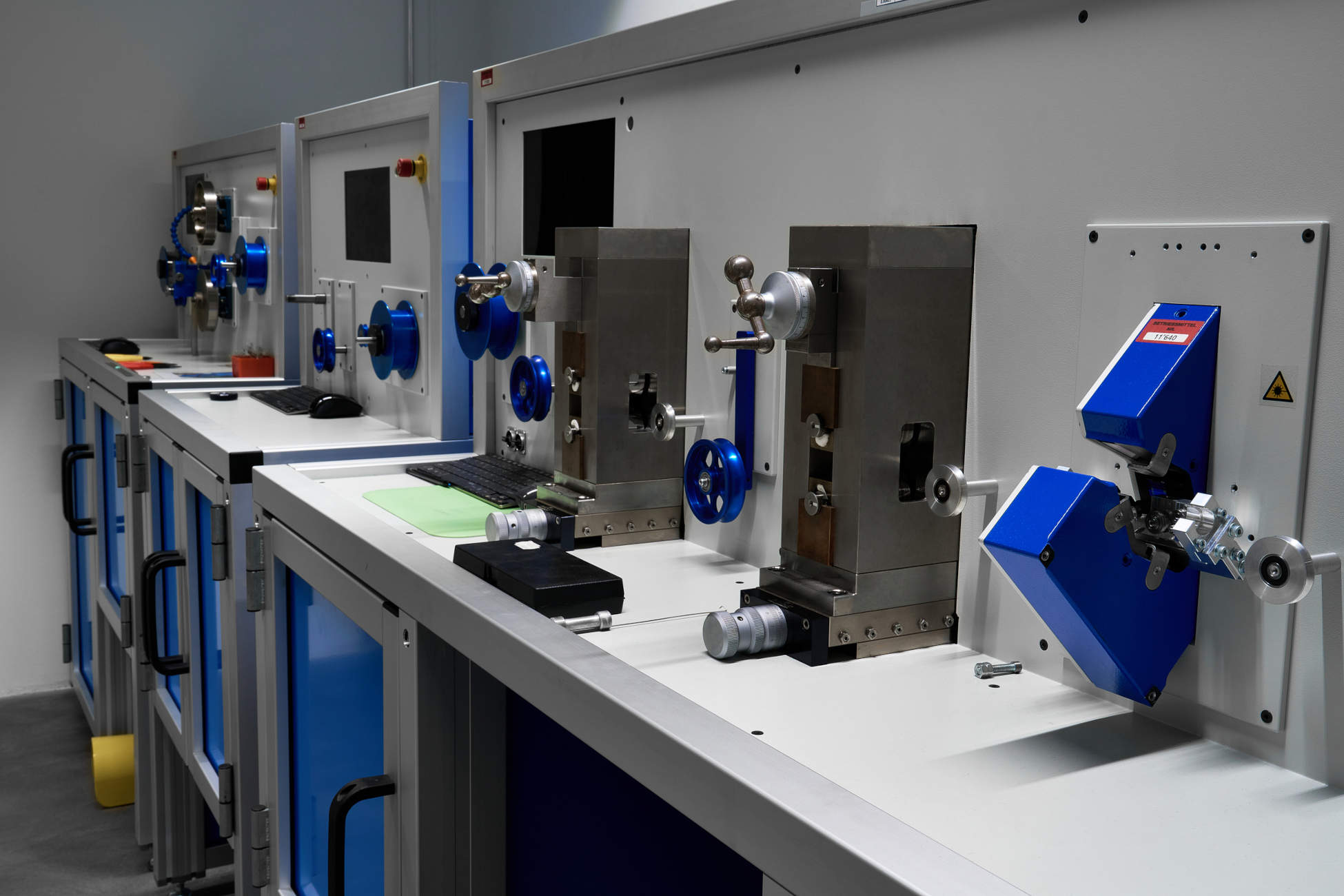
This year, De Bethune took the ultimate step: making their own hairsprings from scratch. Most watchmakers buy hairsprings from suppliers who make them to standard specifications. But De Bethune wanted control down to the micron level.
By producing hairsprings in-house, they can fine-tune everything – thickness, height, how tightly it’s coiled – to match each specific balance wheel and calibre. As Flageollet puts it, “A few microns here or there” can push precision even further.
Lessons Learned
De Bethune isn’t afraid to admit when something doesn’t work. Their 2012 Résonique project explored high-frequency silicon springs but hit limitations. The system wasn’t truly free-oscillating and remained temperature-sensitive. Rather than force it, they concluded that the traditional balance-and-hairspring system from 450 years ago still has room for improvement.
The Bottom Line
After twenty years, eight patents, and 31 calibres, De Bethune has built a comprehensive approach to chronometry. They’re not chasing certifications or marketing claims. They’re solving the actual problem: making watches that keep excellent time on your wrist, not just in laboratory conditions.
It’s watchmaking driven by genuine curiosity and technical passion. And in an industry sometimes obsessed with heritage and tradition, it’s refreshing to see a brand focused on making old technology work better for modern life.
Because at the end of the day, a beautiful watch that can’t tell time accurately is just expensive jewelry.
Leave a Reply