Author: Fritz Oberlin

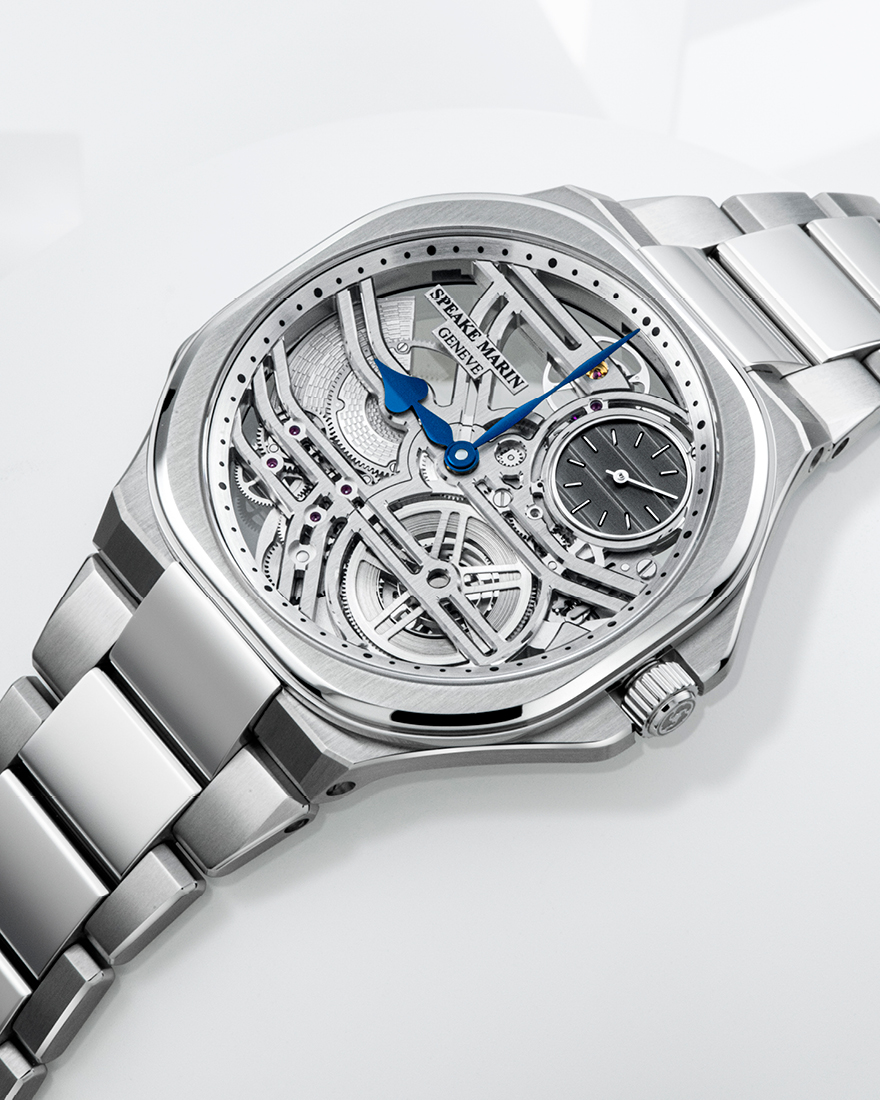
  • Speake Marin Ripples Skeleton: When Time Shows Its Soul

    Speake Marin Ripples Skeleton: When Time Shows Its Soul

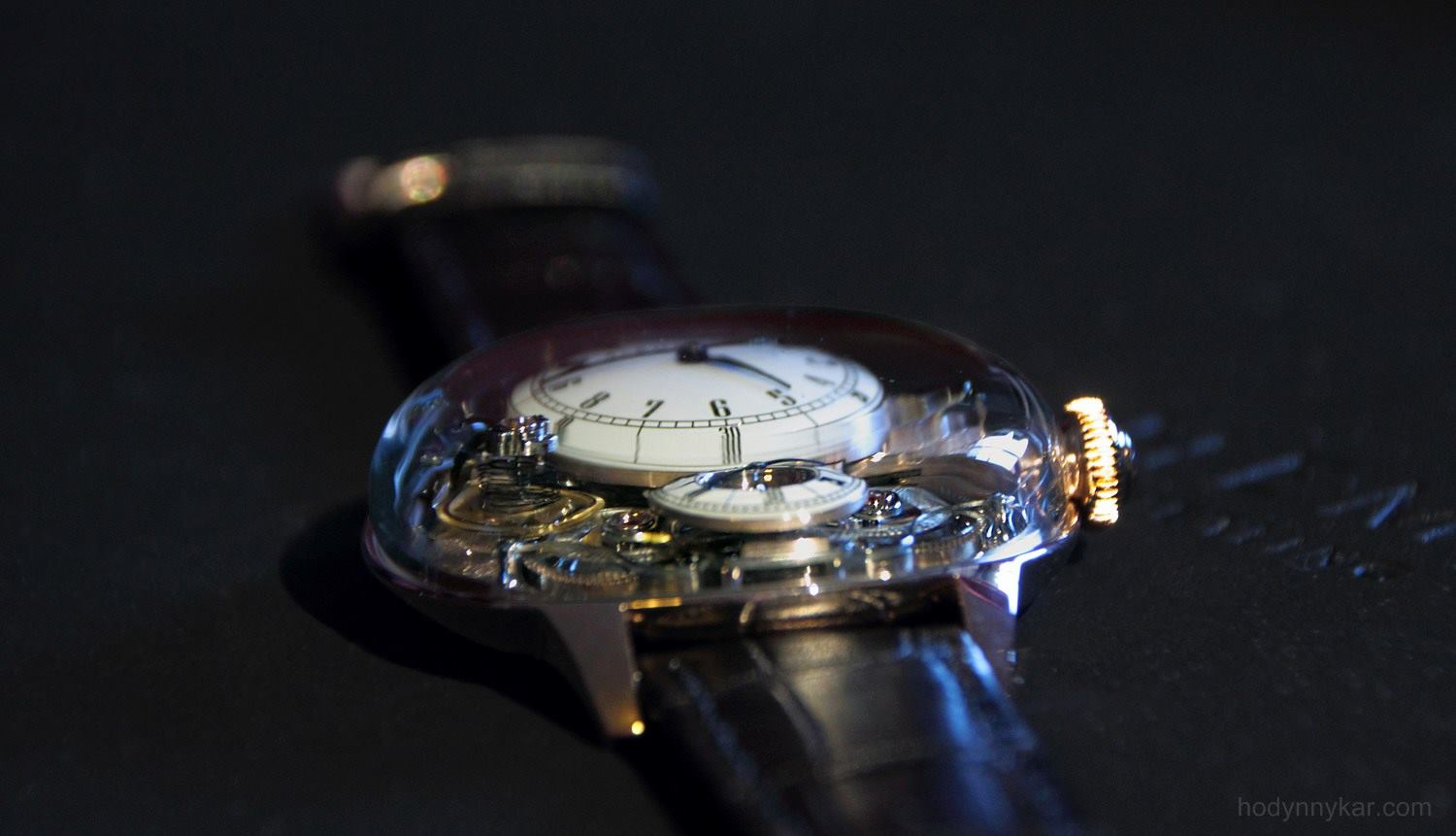
    There’s something wonderfully honest about a skeleton watch. Unlike its fully-dressed cousins that hide their inner workings behind pretty dials, a skeleton watch basically says, “Here I am, springs and all. Take a look.” And on this World Watch Day, October 10, 2025, there’s no better moment to celebrate a timepiece that literally lays its heart bare: the Speake Marin Ripples Skeleton.

    Now, before you start thinking this is just another see-through watch with exposed gears, let me stop you right there. The Ripples Skeleton is proof that transparency doesn’t mean sacrificing beauty. In fact, it might be the opposite.

    The Art of Showing Off (Tastefully)

    At 40.3mm wide and just 6.3mm thick, this watch is slim enough to slide under your shirt cuff without creating a wrist-sized bump. That’s no small feat when you’re dealing with a skeleton movement. Most skeletonized watches tend to be chunky affairs – like trying to hide a small engine under your sleeve. But Speake Marin‘s engineers somehow managed to pack their in-house calibre SMA07 into a case thinner than three stacked credit cards.

    The secret? A micro-rotor. Instead of using a traditional automatic rotor that swings around on top of the movement (adding thickness), they tucked a tiny tungsten rotor right into the mechanism itself. It’s like fitting a full-sized engine into a sports car’s body – you need some serious engineering chops to pull that off.

    Ripples in Time

    Here’s where things get interesting. The small seconds counter at 1:30 isn’t just a functional element. It’s decorated with three-dimensional horizontal ripples that look like someone dropped a pebble into a perfectly still pond. These ripples are hand-finished with a satin texture and treated with black PVD, creating a mesmerizing contrast against the rhodium-plated movement.

    And get this: the small seconds plate is just 0.30mm thick. That’s roughly the thickness of three sheets of paper. The indices on that counter? Some are just 0.12mm wide. We’re talking about tolerances that would make a jeweler squint.

    The movement itself runs at 5 Hz, which means it beats 36,000 times per hour. For comparison, most mechanical watches tick away at 28,800 beats per hour. This higher frequency means smoother motion and, theoretically, better timekeeping. It also means the watchmakers had to be extra careful with balance and regulation because everything’s moving faster.

    The Human Touch

    This is where the World Watch Day message really hits home. Behind those 182 components and 27 jewels are real people. Watchmakers who spent hours – maybe days – hand-finishing those ripples on the seconds counter. Artisans who bevelled and polished each bridge and profile until they caught the light just right. Designers who obsessed over whether the heart-shaped tip on the hour hand should be a millimeter longer or shorter.

    The Ripples Skeleton carries all those human decisions, all that passion and precision, right on its dial. You can actually see the vertical satin-finishing on the mainplate, the microbeaded bevelling on the bridges, and even the embossed motif on that tungsten micro-rotor spinning away inside.

    The Price of Passion

    At CHF 29,900, the Ripples Skeleton isn’t exactly an impulse purchase. But you’re not just buying a watch. You’re buying approximately 182 reasons why mechanical watchmaking still matters in 2025, when most people check the time on their phones. You’re investing in the kind of craftsmanship that can’t be automated or downloaded.

    The watch comes on an integrated steel bracelet with a micro-adjustment system, which is good news because trying to resize an integrated bracelet usually requires a trip back to the boutique and some mild anxiety.

    The Bottom Line

    In a world increasingly obsessed with smart watches and digital everything, the Speake Marin Ripples Skeleton is a beautiful reminder that some things are worth doing the slow way. The complicated way. The human way.

    On World Watch Day, that’s worth celebrating.

  • Swiss Watches, Sanctions and the Detours of Luxury

    Swiss Watches, Sanctions and the Detours of Luxury

    Swiss watches have long stood for precision, heritage and artistry. They are prized objects that represent far more than timekeeping. Yet in today’s political climate they have also become a measure of how international trade bends under pressure, and not always in ways that deserve admiration.

    Industry figures show that global exports have shifted markedly in the past decade. In 2018 Switzerland sent more than 23 million watches abroad, worth just under 20 billion francs. By 2024 shipments had fallen to about 15 million, yet the value had risen close to 25 billion francs. The meaning is clear. Fewer watches leave Switzerland, but they are sold at ever higher average prices. The watch trade has tilted sharply toward the high end.

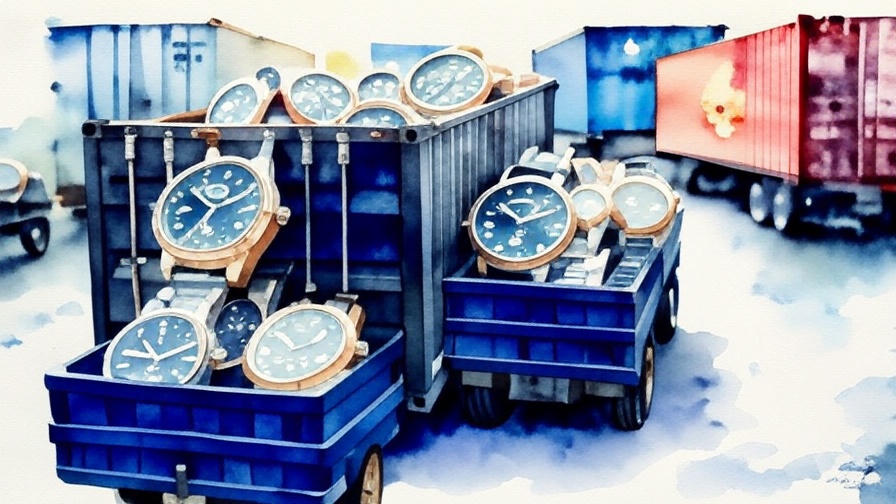
    The story changes sharply when we look at Russia. As recently as 2021, Russia was a significant buyer, worth more than 250 million francs in Swiss exports. That link was cut in March 2022 after Russia launched its full-scale invasion of Ukraine. Switzerland joined the European Union in imposing sanctions designed to weaken Moscow’s ability to fund its war. Among those measures was a ban on exports of luxury goods worth more than 300 francs, which included most Swiss watches.

    Official shipments to Russia collapsed almost overnight. By 2024 the Russian market had dwindled to less than 2 million francs. In 2025 only a few thousand units appear in the export tables.

    A question arises. If the ban is clear, why do any exports appear at all? Some of the explanation is innocent enough. Spare parts, lower value pieces and service related goods are not covered by the sanctions. These still appear in customs statistics. But the bigger concern is what does not appear in the Swiss data.

    Since sanctions were imposed, Russian buyers have turned to neighbors. The government in Moscow legalized parallel imports, which allow goods to enter the country without the consent of brand owners. At the same time, members of the Eurasian Economic Union such as Armenia and Kazakhstan, which share an open customs border with Russia, reported rising imports of Swiss watches. Kazakhstan imported more than 46,000 units in 2024, compared with 37,000 in 2021. Armenia saw its numbers climb too. These increases are unlikely to reflect a sudden boom in local demand. Analysts point instead to redirection. Watches that arrive legally in Yerevan or Almaty can then be moved into Russia, quietly and without the control of their makers.

    This so-called gray trade is not something to admire. It erodes the integrity of the sanctions regime and undermines the position of watch brands that have chosen to comply. For Switzerland, which prides itself on respect for international rules, the existence of these detours is troubling. It suggests that while official statistics tell one story, the reality on the ground is more complicated, and not always consistent with the spirit of the law.

    For the global watch industry the lesson is sobering. Prestige objects remain attractive even in restricted markets, but when they slip into unofficial channels the risks multiply. Brands lose oversight of distribution, customers lose access to guarantees and after-sales care, and the wider public sees cracks in a system meant to uphold international standards.

    Watches may still travel into Russia, but they do so in ways that weaken both the industry and the rule of law. The task ahead for policymakers and watchmakers alike is to close the gaps rather than accept them. Luxury, after all, should not shine in the shadows.

  • Tariffs and Tick-Tocks: How Swiss Watches Are Facing Their Costliest Hour

    Tariffs and Tick-Tocks: How Swiss Watches Are Facing Their Costliest Hour

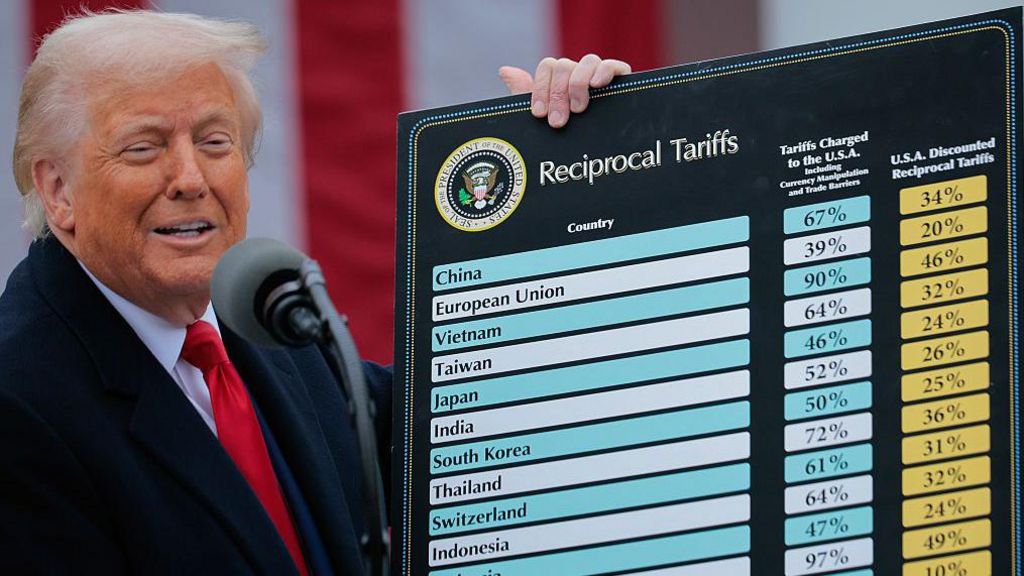
    For centuries, Swiss watches have stood as the ultimate symbol of precision, tradition, and style. But as of August 1st, their journey into the U.S. has become a lot more expensive. A new 39% tariff on Swiss timepieces has landed like a hammer blow on the industry, and the impact is already ticking louder than a pocket watch in a silent room.

    To put it simply, a watch that used to cost $10,000 could now flirt with a $14,000 price tag once tariffs are factored in. That is the kind of difference that makes even seasoned collectors raise an eyebrow and casual buyers reconsider whether “Swiss Made” is still within reach.

    The U.S. is a vital market for Swiss watches – it fuels sales across all price ranges, from fun entry-level pieces to high-end complications. With tariffs in place, brands face a tough choice: eat some of the cost themselves, pass it fully on to consumers, or get creative. Some are even rumored to be exploring alternate logistics through other European countries to soften the blow.

    But if Swiss watchmaking is famous for anything, it is creativity under pressure. Case in point: Swatch and Raymond Weil have taken the tariff debate straight to the dial. Swatch rolled out a cheeky limited-edition called WHAT IF…TARIFFS? – a square watch with the numbers 3 and 9 reversed on a blue dial. It is playful, provocative, and very Swatch. Meanwhile, Raymond Weil went even bolder with a special edition plastering “39%” on the dial itself. Only 39 were made, and they sold out faster than you can say “customs declaration.” To add to the fun, CEO Elie Bernheim announced the brand would lower prices by 39% instead of raising them. A witty jab at the situation, and a gesture collectors surely appreciated.

    Beyond humor, though, the stakes are serious. Higher prices could push American buyers toward other markets: German brands with Bauhaus charm, Japanese powerhouses like Grand Seiko, or even U.S.-based makers who suddenly look like a bargain. Add to that the growing appeal of the pre-owned market, and the challenge for Swiss brands becomes crystal clear.

    The tariff is more than just an economic hurdle – it is a test of resilience. The Swiss have weathered quartz crises, fashion swings, and shifting consumer habits. Now they must recalibrate once again, showing that tradition and ingenuity can coexist with unexpected challenges.

    At the end of the day, a Swiss watch is still more than gears and springs. It is a piece of history you wear on your wrist. But in today’s climate, buyers may find themselves asking whether that history is worth an extra 39%.

    One thing is certain: in Switzerland, the conversation is louder than ever. And the clock, as always, is still ticking.

  • The Hodynnykar is back!

    The Hodynnykar is back!

    After a five-year hiatus, we’re thrilled to return to what we love most: the fascinating world of horology.

    Hodynnykar represents a collaboration between dedicated human watch enthusiasts and artificial intelligence, combining traditional horological expertise with fresh analytical perspectives to deliver timely, comprehensive coverage of industry news, technical innovations, artisan spotlights, and the mechanical poetry that defines exceptional timepieces.

    Whether you’re a seasoned collector, aspiring enthusiast, or simply curious about the intersection of art and engineering in fine watchmaking, we’re committed to bringing you clear, insightful content that matches the sophistication of the craft itself. Keep your finger on the pulse of watchmaking – welcome back to Hodynnykar.